
Leaving the Military and Entering the Academic World
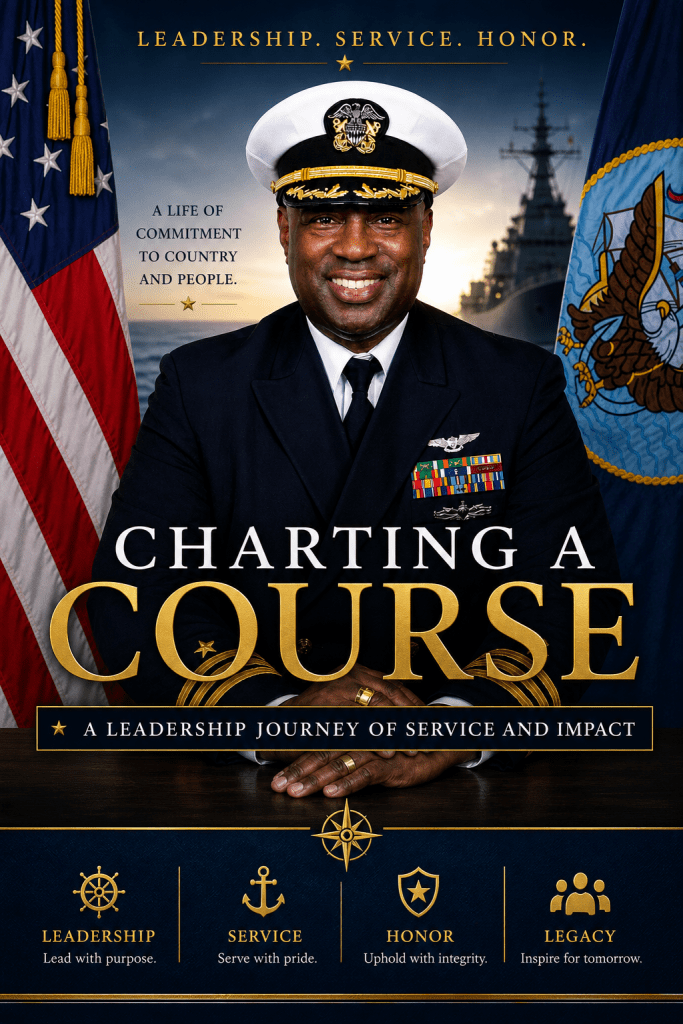
There comes a moment in life when a person realizes that one chapter is ending and another is beginning. For many military leaders, that transition is not simply a career change it is a transformation of identity, purpose, and direction. Leaving the military after years of service can feel emotional, uncertain, and deeply personal. The uniform may come off, but the lessons, discipline, sacrifices, and leadership developed through years of service remain permanently embedded within the individual.
The military teaches structure, resilience, accountability, teamwork, sacrifice, and mission accomplishment. It shapes people through pressure, responsibility, and experience. It builds leaders who understand how to perform under stress, how to lead diverse groups, and how to persevere through adversity. However, transitioning from the military into the academic world introduces an entirely different environment one centered on research, critical thinking, education, mentorship, and intellectual growth.
For many veterans and senior military leaders, entering academia can feel both exciting and unfamiliar. In the military, leadership is often direct, operational, and mission-driven. In academia, leadership becomes centered around ideas, knowledge, development, and influence. Instead of leading missions, you begin shaping minds. Instead of operational planning, you begin contributing to research, scholarship, education, and institutional growth.
The transition itself can bring mixed emotions. There is pride in military service, but also uncertainty about what comes next. Many veterans struggle with leaving behind the camaraderie, routine, rank structure, and sense of belonging the military provides. After years of wearing the uniform, stepping into classrooms, universities, conferences, and academic institutions can feel like entering an entirely different world.
Yet the academic world needs military leaders. The discipline, life experience, leadership ability, crisis management, and real-world perspective gained through military service provide a unique voice within education. Veterans entering academia bring authenticity to leadership discussions, organizational development, ethics, resilience, teamwork, and human performance under pressure. Their experiences offer lessons that cannot be learned solely from textbooks.
Education also becomes a new mission. The classroom transforms into a platform for impact. Teaching, mentoring, researching, and guiding students become ways to continue serving others beyond military life. Many transitioning service members discover that their purpose did not end with retirement or separation it simply evolved.
The academic world also offers an opportunity for personal growth and healing. For some veterans, education becomes a space to reflect on life experiences, redefine identity, and discover new passions. It allows individuals to transform years of lived experience into wisdom that can inspire future generations. The discipline once used for military operations becomes discipline for scholarship, research, writing, and intellectual contribution.
Entering academia after military service is not abandoning one identity for another. It is carrying the strengths of military leadership into a new environment. The mission changes, but the commitment to service remains the same. The battlefield becomes the classroom, the conference room, the research study, and the mentoring relationship.
This transition also represents legacy. Many military leaders realize that their greatest impact may not only come from what they accomplished during service, but from how they influence others afterward. Teaching students, mentoring future leaders, conducting meaningful research, and contributing to society through education become part of a larger purpose.
The military chapter may close, but the leadership journey continues. The same determination that once guided missions, protected lives, and led Sailors, Soldiers, Airmen, Marines, or Guardians can now guide students, researchers, educators, and communities.
A new chapter in life is never about starting over completely.
It is about taking every lesson from the past and using it to build something greater for the future.
Because leadership does not end when the uniform comes off.
Sometimes, that is when the next mission truly begins.

